
Visiting India – Essential Information for Delegates
Time Zone
India follows Indian Standard Time (IST).
- GMT +5:30 / UTC +5:30
- India does not observe Daylight Saving Time (DST)
- A single time zone is followed across the entire country
Electricity
India uses a higher-voltage electrical system.
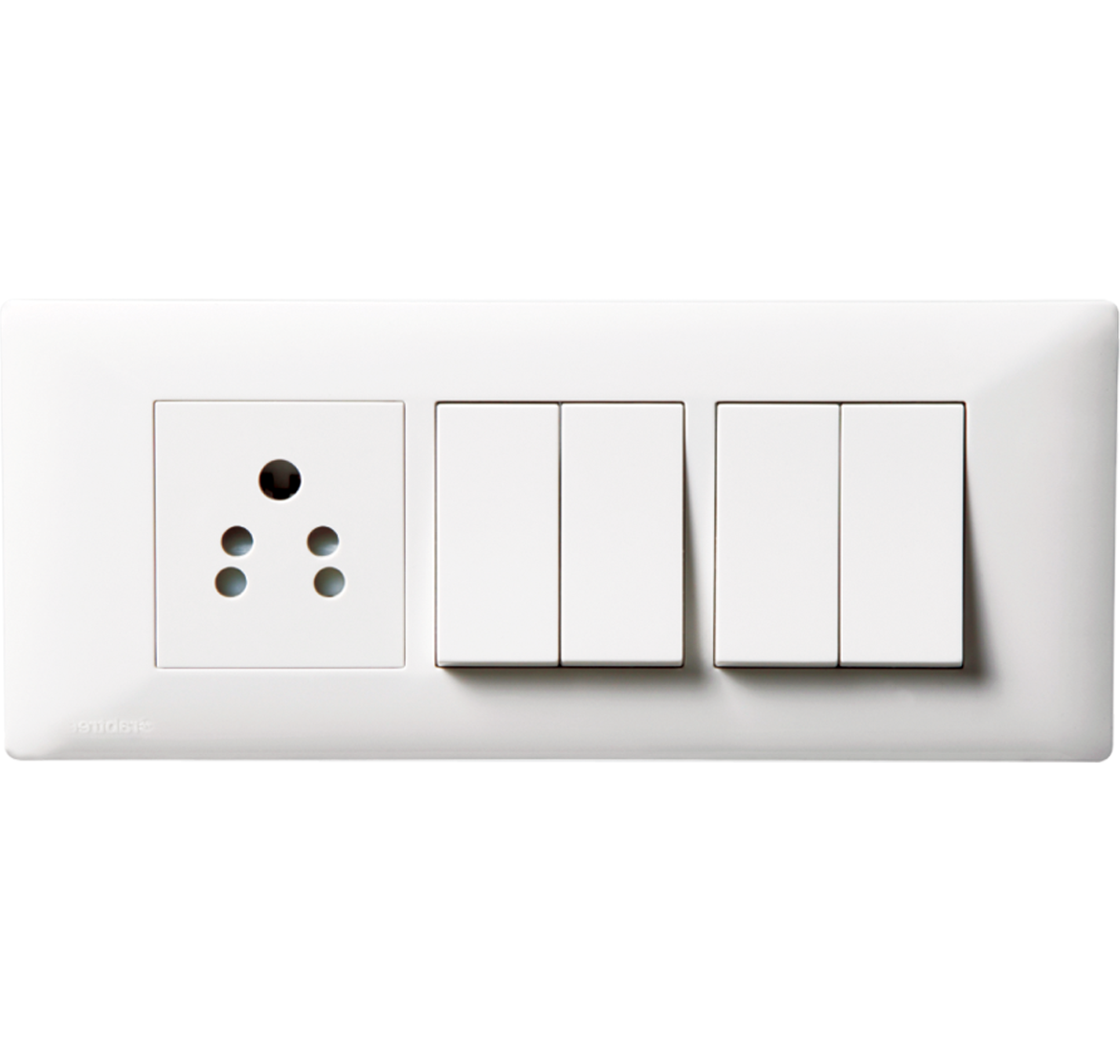
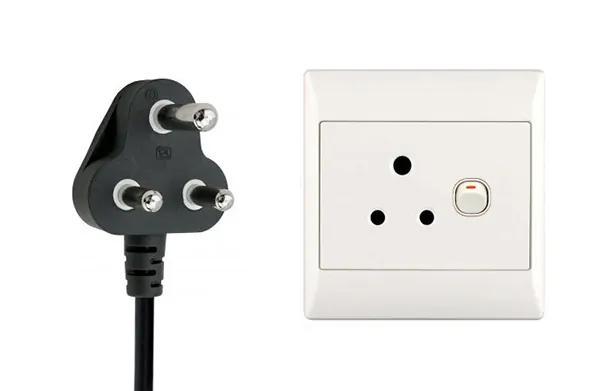
- Voltage: 220–240 volts
- Frequency: 50 cycles
- Appliances from countries using 110V systems (such as the USA or Japan) will require an adaptor or voltage converter
Most international hotels, including the Taj Mahal Palace, provide universal sockets for guest convenience. - Common Socket Types Used in India:
- Two-hole round pin socket (Type C)
- Three-hole round pin socket (Type D / Type M)
Currency
India’s official currency is the Indian Rupee (INR / ₹).
Banknotes commonly in circulation:
- ₹500
- ₹100
- ₹50
Coins are used for smaller denominations.
Foreign currencies can be exchanged at:
- International airports
- Authorized banks
- Major hotels
Receipts are provided for all currency exchanges and may be required when reconverting unused Indian Rupees before departure.
Major international credit cards such as Visa, MasterCard, and American Express are widely accepted. Digital payments are also common in urban India.
Weather (Mumbai – April)
April is a summer month in Mumbai, with warm and dry conditions.
Average Weather Conditions:
- Temperature: 25°C to 34°C (77°F to 93°F)
- Humidity: Moderate to high
- Rainfall: Very low
- Sky Conditions: Mostly sunny and clear
Lightweight clothing is recommended. All conference venues and hotels are air-conditioned.